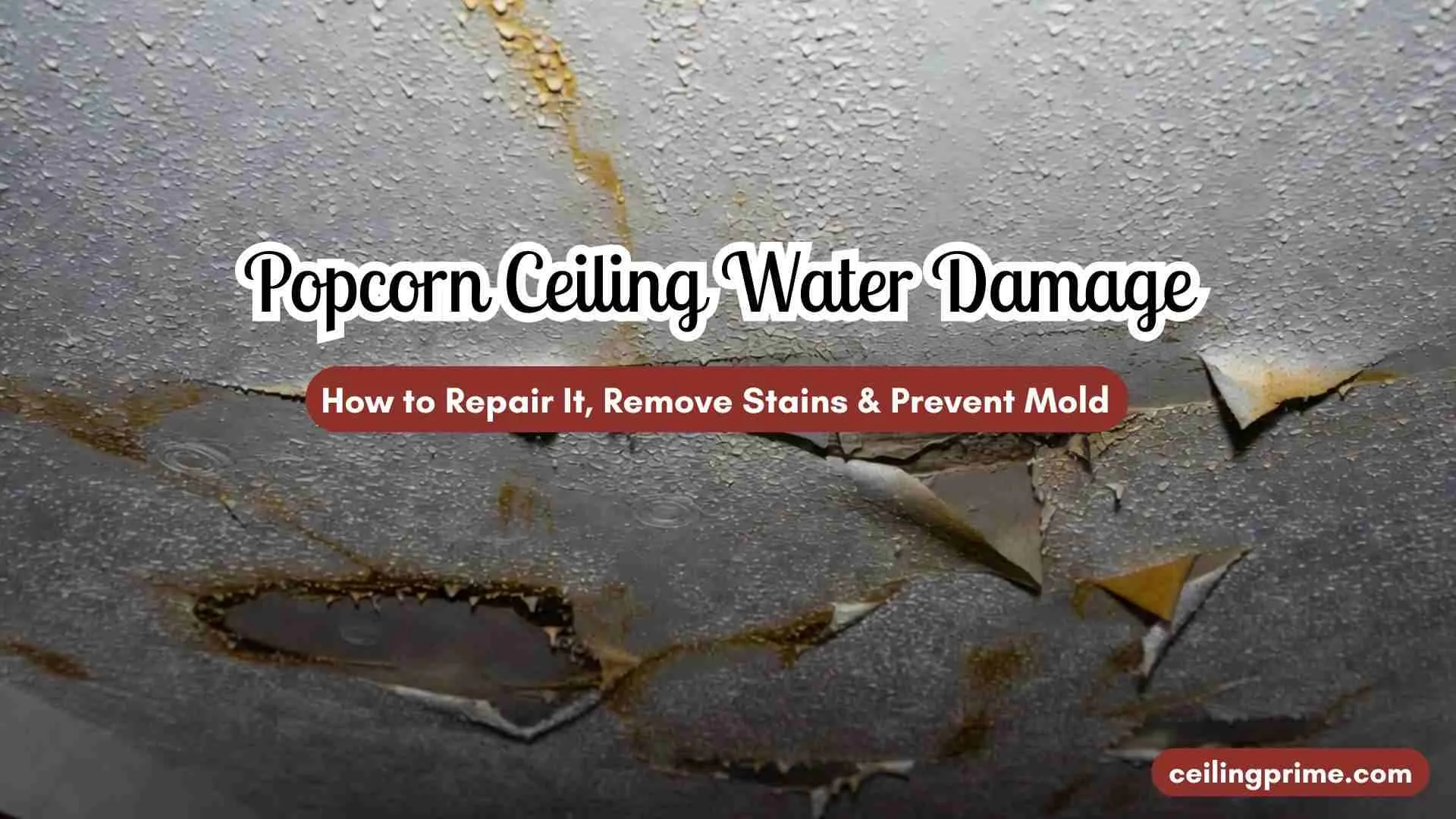
Popcorn Ceiling Water Damage: How to Repair It, Remove Stains & Prevent Mold
Popcorn ceiling water damage starts as a small brown spot and ends as sagging drywall, crumbling texture, and mold growth if you ignore it. Water is the number one enemy of textured ceilings — and the porous surface of popcorn texture absorbs moisture faster than any other ceiling finish.
A leaking roof, a burst plumbing pipe, bathroom condensation, or even attic moisture can soak the texture compound and weaken the adhesive bond between the popcorn material and the drywall underneath. The result: yellow-brown water stains, texture that crumbles when touched, and a ceiling that looks like it might drop into your living room.
This guide walks through the full repair process: find and fix the water source, dry the area, test for asbestos, scrape the damaged texture, repair the drywall, reapply texture, and paint. It also covers how to remove water stains from popcorn ceiling surfaces, when to hire a pro, 2026 repair costs, and prevention steps to keep moisture out for good.
What Happens When a Popcorn Ceiling Gets Wet?
Water and popcorn ceiling texture do not mix. The sprayed-on compound — made from gypsum, vermiculite, or Styrofoam aggregate — absorbs water like a sponge. Once saturated, the texture softens, the adhesive bond fails, and the material starts to sag, bubble, or fall. Here is the progression of ceiling water damage from first contact to structural risk.
Staining and Discoloration
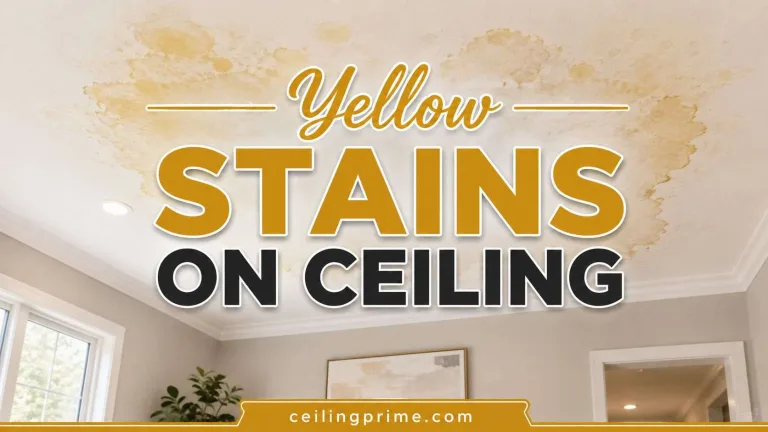
The first visible sign is a yellow or brown ring on the texture. Brown spots on popcorn ceiling surfaces appear when minerals and dissolved dirt in the water dry and leave residue behind. The stain spreads outward as the water wicks through the porous material. These water stain discoloration marks will not fade on their own — they require primer and paint to cover.
Texture Breakdown and Peeling
Prolonged moisture softens the texture compound. The material turns mushy, loses its grip on the drywall, and begins to crumble or peel. Chunks of popcorn fall to the floor. In severe cases, entire sections detach in sheets.
Mold Growth
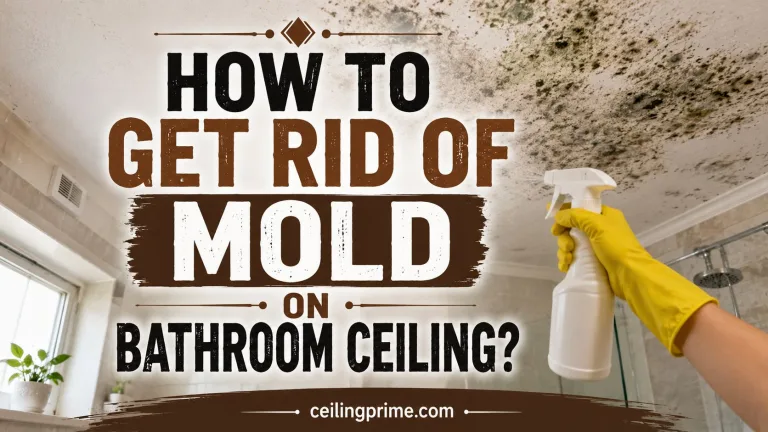
Mold spores begin colonizing damp popcorn texture within 24 to 48 hours. The porous surface provides a perfect environment — moisture, organic dust, and darkness. Black or green patches behind or on top of the texture indicate mold growth that requires treatment before any cosmetic repair.
Structural Sagging
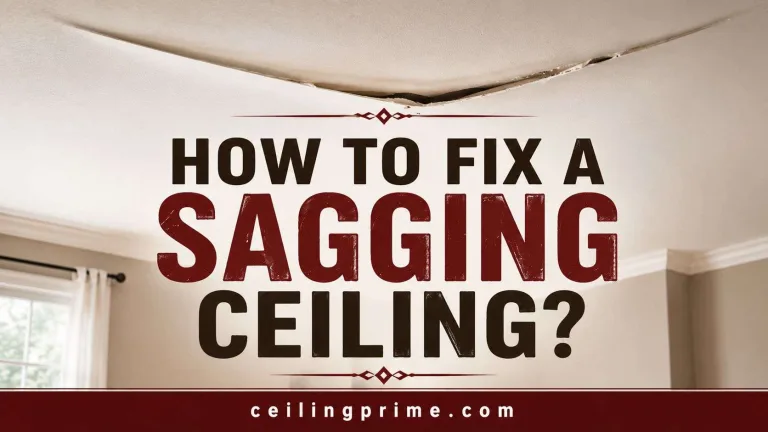
If the drywall itself absorbs water, it loses structural integrity. The gypsum board softens, bows downward, and can collapse under its own weight. A sagging ceiling with soft spots is a safety hazard that requires immediate professional inspection.
Common Causes of Popcorn Ceiling Water Damage
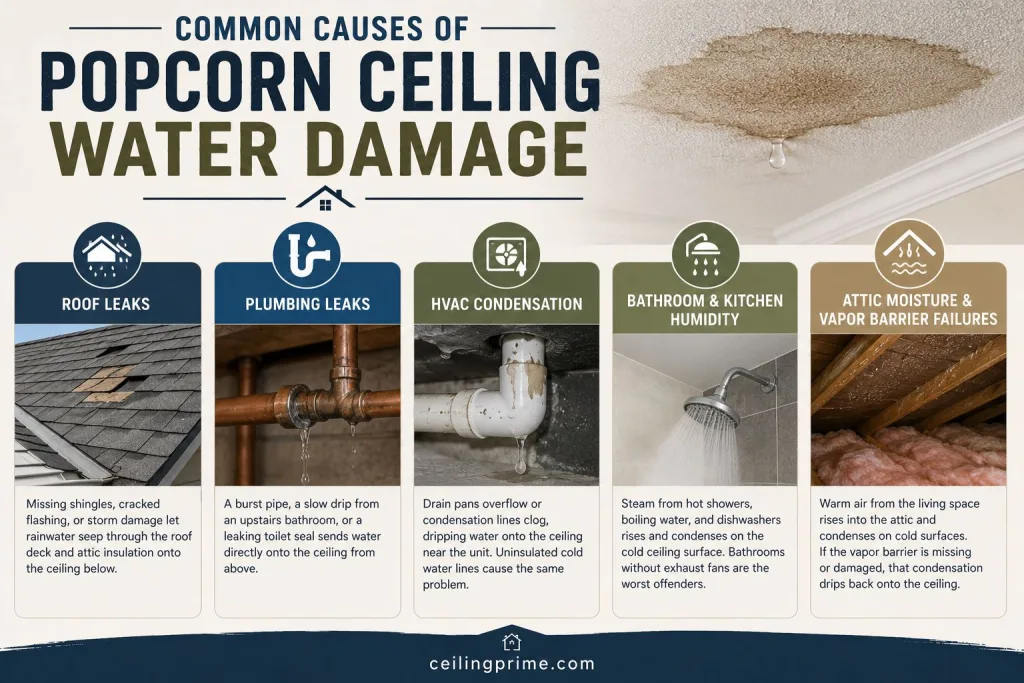
- Roof leaks: Missing shingles, cracked flashing, or storm damage let rainwater seep through the roof deck and attic insulation onto the ceiling below. Post-storm ceiling woes are common in regions with heavy rain or hail.
- Plumbing leaks: A burst pipe, a slow drip from an upstairs bathroom, or a leaking toilet seal sends water directly onto the ceiling from above. This is the most common cause of sudden ceiling water intrusion.
- HVAC condensation: Air conditioner drain pans overflow or condensation lines clog, dripping water onto the ceiling near the unit. Unsealed pipe condensation around uninsulated cold water lines causes the same problem.
- Bathroom and kitchen humidity: Steam from hot showers, boiling water, and dishwashers rises and condenses on the cold ceiling surface. Bathrooms without exhaust fans are the worst offenders.
- Attic moisture and vapor barrier failures: Warm air from the living space rises into the attic and condenses on cold surfaces. If the vapor barrier is missing or damaged, that condensation drips back onto the ceiling.
Asbestos Warning: Test Before You Touch Any Damaged Popcorn Ceiling
Popcorn ceilings installed before 1979 often contain asbestos. The mineral fiber was mixed into the texture compound for fire resistance. Intact asbestos is not a health risk. But scraping, sanding, or disturbing water-damaged texture can release microscopic fibers that cause lung cancer and mesothelioma.
Water damage makes this asbestos risk worse. Wet texture crumbles more easily. If you scrape water-damaged popcorn that contains asbestos, fiber release is nearly guaranteed.
- DIY asbestos test kit: $30–$80 at Home Depot or Amazon. Wet a small section, cut a sample, seal it, and mail to the lab. Results take 3–7 days.
- Professional asbestos inspection: $250–$850 depending on home size.
- If positive: Stop all work. Hire a licensed asbestos abatement contractor. Do not attempt DIY removal.
Step-by-Step: How to Repair Popcorn Ceiling Water Damage
Step 1 — Find and Fix the Water Source
No repair holds if water keeps coming. Identify the source: check the roof for damage, inspect plumbing above the stain, look for HVAC condensation drips, and test bathroom exhaust fans. Call a plumber for pipe leaks or a carpenter for roof issues.
Document the damage with photos — your homeowners insurance may cover the repair if the cause was sudden and accidental (like a burst pipe), not gradual (like deferred maintenance).
Step 2 — Dry the Area Completely
After fixing the leak, dry the ceiling for 24 to 48 hours before starting any repair. Run fans pointed at the wet area. Use a dehumidifier to pull moisture from the room. Check with a moisture meter — the drywall should read below 15% moisture content before you proceed. Rushing this step traps moisture behind the new texture and causes mold.
Step 3 — Scrape the Damaged Texture
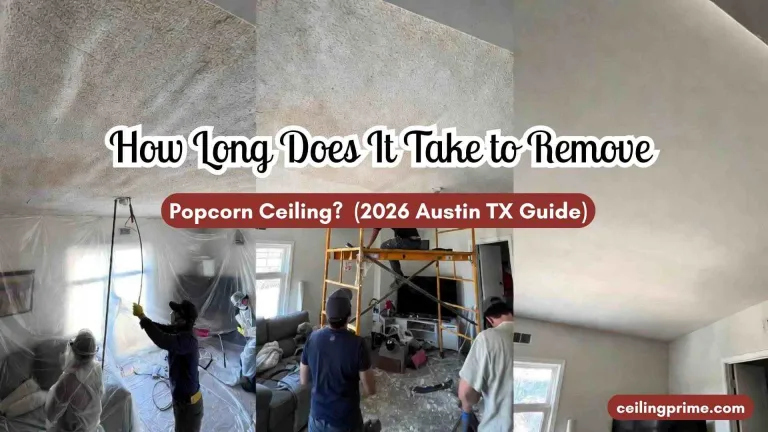
Lay drop cloths on the floor. Wear an N95 mask, safety goggles, and gloves. Mist the damaged area lightly with a spray bottle to soften the texture. Use a putty knife or ceiling scraper to remove all loose, bubbled, or crumbling popcorn material. Scrape until only firm, well-adhered texture or bare drywall remains.
Step 4 — Inspect and Repair the Drywall
Check the exposed drywall for soft spots, mold, and structural damage. If the gypsum board is soft or crumbling, cut out the damaged section and patch with new drywall. For minor damage, apply joint compound to smooth the surface. If you see mold, treat the area with a solution of one part liquid bleach to ten parts water, or use distilled white vinegar. Let it dry before priming.
Step 5 — Apply Stain-Blocking Primer
Brown spots on popcorn ceiling surfaces bleed through regular paint. Apply a stain-blocking primer like KILZ ceiling primer or Zinsser BIN to seal the stain and the repaired drywall. This step is not optional — without it, the water stain reappears within weeks. Let the primer dry for 1 to 2 hours.
Step 6 — Reapply Popcorn Texture
Match the texture to the surrounding ceiling. Homax and Zinsser make aerosol spray textures and premixed tub compounds with polystyrene chips. For spray application, hold the can 9 to 14 inches from the ceiling and use short bursts. For brush-on application, dab the compound with a stiff brush or crumpled paper towel using a stippling motion. Build up thin layers until the texture matches. Let dry 24 to 48 hours.
Texture matching tip: Test on a piece of cardboard first. Adjust spray distance and pressure until the chip density and pattern match your existing ceiling. Older, coarser textures need a heavier application than modern fine-grain products.
Step 7 — Paint to Finish
After the texture dries completely, apply flat white ceiling paint with a thick-nap roller (3/4-inch). Roll gently to avoid breaking the new texture. Two coats gives the best coverage and blends the repair into the surrounding ceiling. Flat paint hides minor texture variations better than satin or eggshell.
How to Remove Water Stains from Popcorn Ceiling (Without Full Repair)
If the popcorn ceiling water damage is limited to staining — no peeling, no crumbling, no mold — you can treat the stain without scraping the texture.
- Step 1: Fix the water source. The stain will return if the leak is still active.
- Step 2: Let the stained area dry completely (24–48 hours minimum).
- Step 3: Spray or roll stain-blocking primer (KILZ or Zinsser BIN) directly over the brown spot. Use a light touch with a thick-nap roller to avoid breaking the popcorn texture.
- Step 4: Apply two coats of flat ceiling paint once the primer dries. Match the existing paint color.
This method works for cosmetic brown spots on popcorn ceiling surfaces where the texture is still firmly attached. If the texture is soft, bubbled, or peeling, skip to the full repair steps above.
Mold on Water-Damaged Popcorn Ceiling: How to Handle It Safely
Mold is a predictable consequence of water-damaged popcorn texture that goes unfixed. The porous surface traps moisture and organic dust — a perfect food source for mold spores. Mold can start growing within 24 to 48 hours of water contact.
- Surface mildew (white or grey film): Clean with a spray of distilled white vinegar or a 1:10 bleach-to-water solution. Dab gently — do not scrub. Let dry before priming.
- Black or green mold patches: This indicates deeper mold growth. Scrape the affected texture, treat the drywall with mold-killing primer, and let dry completely before reapplying texture.
- Mold covering more than 10 square feet: Hire a professional mold remediation contractor. Large mold colonies require containment, HEPA filtration, and proper disposal.
Never paint over visible mold. Paint does not kill mold — it traps moisture underneath and the colony continues growing behind the paint film.
2026 Cost Guide: Popcorn Ceiling Water Damage Repair
| Service | 2026 Cost Range |
| DIY stain treatment (primer + paint) | $30–$75 |
| DIY texture repair (scrape, patch, retexture) | $50–$200 |
| Professional ceiling repair (non-asbestos) | $1–$6 per sq ft |
| Professional water damage restoration | $45–$55 per sq ft (extensive damage) |
| Asbestos testing | $30–$850 (DIY kit to pro inspection) |
| Asbestos abatement + removal | $7–$30 per sq ft |
| Mold remediation (professional) | $10–$25 per sq ft |
| Full ceiling replacement (drywall overlay) | $2–$5 per sq ft |
Insurance coverage depends on the cause. Most standard homeowner policies cover sudden, accidental water damage (burst pipe, storm). Gradual damage from deferred maintenance (slow leak, poor ventilation) is almost never covered. Document the damage with photos and contact your insurance agent before starting repairs.
How to Prevent Popcorn Ceiling Water Damage?
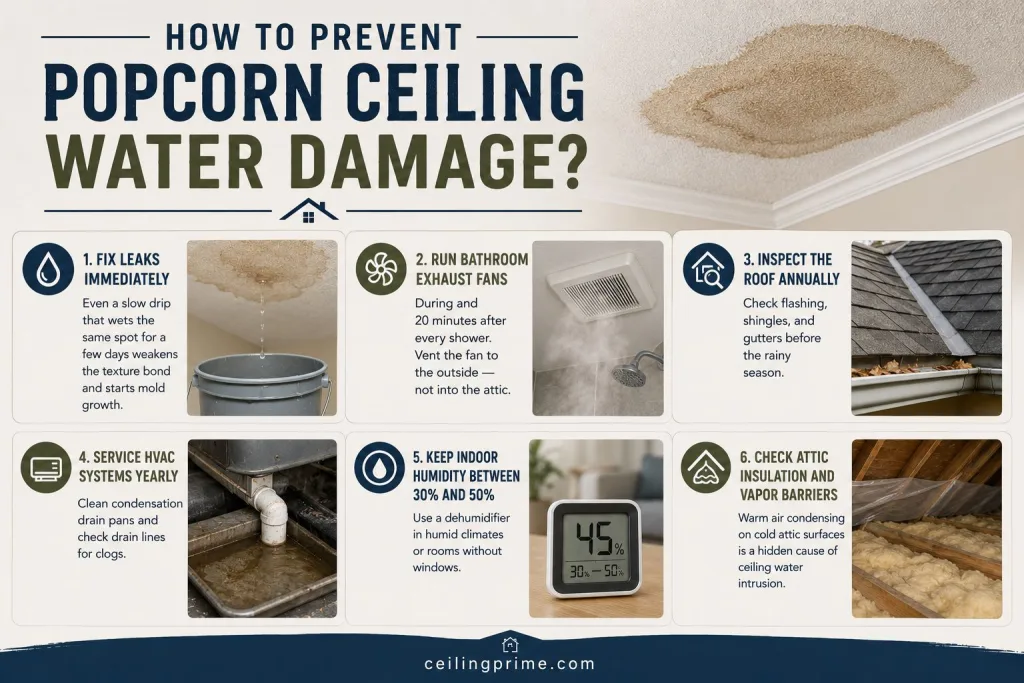
- Fix leaks immediately: Even a slow drip that wets the same spot for a few days weakens the texture bond and starts mold growth.
- Run bathroom exhaust fans during and 20 minutes after every shower. Vent the fan to the outside — not into the attic.
- Inspect the roof annually: Check flashing, shingles, and gutters before the rainy season.
- Service HVAC systems yearly: Clean condensation drain pans and check drain lines for clogs.
- Keep indoor humidity between 30% and 50%: Use a dehumidifier in humid climates or rooms without windows.
- Check attic insulation and vapor barriers: Warm air condensing on cold attic surfaces is a hidden cause of ceiling water intrusion.
Frequently Asked Questions
Q. Can you just paint over water stains on a popcorn ceiling?
Only if the texture is still firm and well-attached. Apply stain-blocking primer first (KILZ or Zinsser BIN), then two coats of flat ceiling paint. If the texture is soft or peeling, you need to scrape and retexture before painting.
Q. How long does a water-damaged popcorn ceiling take to dry?
Allow 24 to 48 hours with fans and a dehumidifier. Use a moisture meter to confirm the drywall reads below 15% before starting repairs. Rushing this step causes mold and adhesion failure.
Q. Is water-damaged popcorn ceiling dangerous if it contains asbestos?
Yes. Wet popcorn crumbles more easily and releases fibers when disturbed. Never scrape or sand water-damaged texture in a pre-1979 home without testing for asbestos first.
Q. Does homeowners insurance cover popcorn ceiling water damage?
Sudden, accidental events like a burst pipe or storm damage are usually covered. Gradual damage from slow leaks or poor ventilation is typically excluded. File a claim quickly and provide photo documentation.
Q. What do brown spots on popcorn ceiling mean?
Brown or yellow rings are water stain discoloration. Minerals and dissolved dirt in the water leave residue as the ceiling dries. The stain signals a current or recent water intrusion that needs to be traced and fixed.
Q. Should I remove the entire popcorn ceiling after water damage?
If damage covers more than 25% of the ceiling, or if the texture contains asbestos, full removal or a drywall overlay is often cheaper and more durable than patching. This is also a good opportunity to upgrade to a smooth, modern ceiling finish.