
15 Ceiling Texture Types: Names, Looks & How to Choose
There are 15 ceiling texture types used in residential construction across the United States. Some are standard in modern homes. Others are relics from the 1970s that lower property value. Knowing which type you have — and which one to choose for new work — affects your home’s appearance, cleaning difficulty, resale price, and even air quality.
This guide covers every type of ceiling texture by name, describes what each looks like, lists the tools needed to apply it, and compares 2026 costs per square foot. A quick-reference table at the end helps you pick the right finish for your room, budget, and style.
All 15 Ceiling Texture Types at a Glance
| Texture | Look | Tool | Cost/sq ft | 2026 Status |
| Smooth (flat) | No texture | Knife, sander | $2–$5 | Gold standard |
| Knockdown | Flattened splatter | Hopper, knife | $1.50–$3 | Popular |
| Orange peel | Citrus-skin dimples | Hopper gun | $1–$2.50 | Common |
| Popcorn | Deep cottage cheese | Hopper/spray can | $1–$2 | Outdated |
| Skip trowel | Random plaster arcs | Notched trowel | $3–$8 | Niche |
| Sand swirl | Gritty spirals | Bristle brush | $1.50–$3 | Rare |
| Spray sand | Fine grit, flat | Hopper + sand | $1–$2 | Uncommon |
| Slap brush | Spiked random peaks | Slap brush | $1–$2.50 | Dated |
| Comb | Parallel grooves | Notched trowel | $1.50–$3 | Dated |
| Stipple | Subtle raised dots | Stipple brush | $1–$2 | Dated |
| Lace (Spanish) | Layered lace pattern | Hopper + knife | $3–$8 | Niche |
| Stomp brush | Rosette stamp pattern | Stomp brush | $1–$2.50 | Dated |
| Tree bark | Rough bark texture | Roller, brush | $1.50–$3 | Rare |
| Hawk and trowel | Smooth plaster sweeps | Hawk, trowel | $4–$10 | High-end |
| Rosebud | Tight circular dots | Rosebud brush | $1–$2 | Vintage |
1. Smooth (Flat) Ceiling Texture
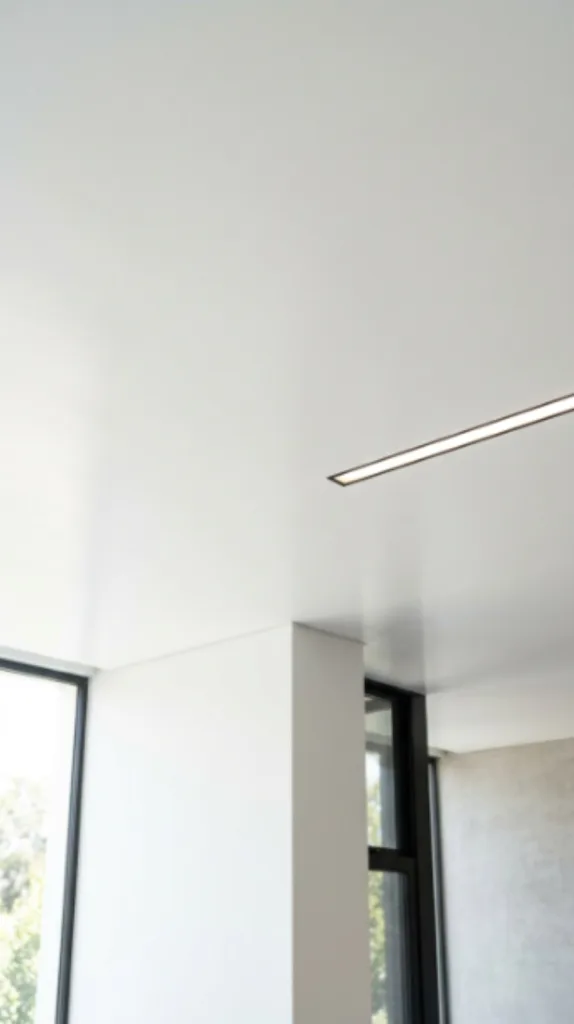
A smooth ceiling has zero visible texture. The surface looks like glass when done right — flat, even, and seamless. It reflects 80–90% of light, making rooms feel larger and brighter. Smooth is the most expensive finish because it requires multiple thin coats of drywall compound (a Level 5 finish), extensive sanding between coats, and perfect drywall installation underneath.
Smooth ceilings are the first choice in modern homes, open-concept floor plans, and high-end renovations. They are the easiest finish to clean and never look dated. Real estate agents in every market report that smooth ceilings command the highest resale value.
- Tools: Drywall knife (6” and 12”), sanding sponge, paintbrush, roller, primer, flat ceiling paint.
- Cost: $2–$5 per square foot. | Best for: Living rooms, dining rooms, bedrooms, modern interiors.
2. Knockdown Ceiling Texture
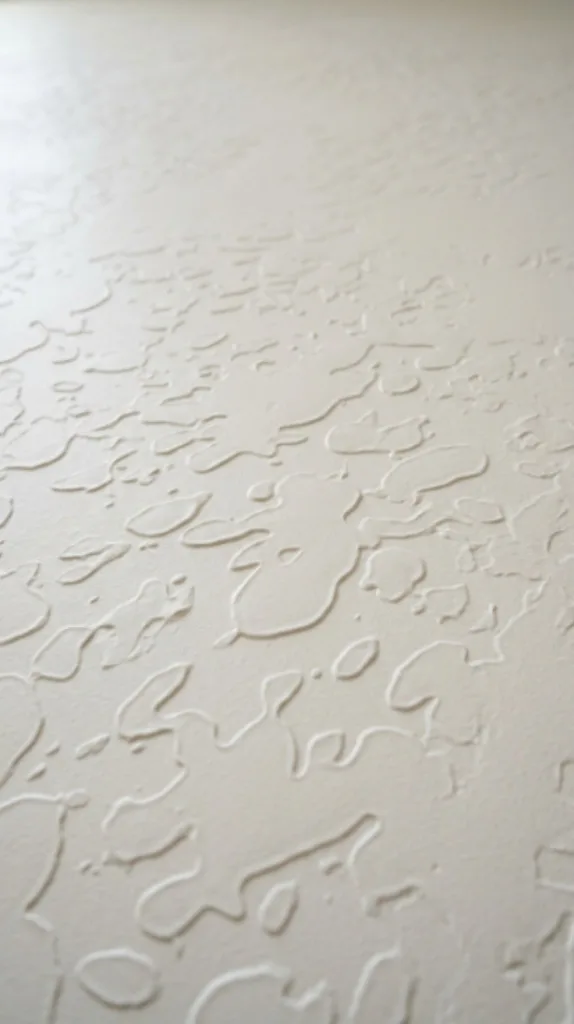
Knockdown is one of the most common ceiling texture types in new construction. A hopper gun sprays drywall compound onto the ceiling in random splatter. Before it dries, a flat knockdown knife scrapes across the peaks, flattening them into a low-profile, mottled pattern. The result looks like smooth stucco with slight high and low spots.
Knockdown hides drywall imperfections without the deep bumps of popcorn. It is easier to clean than heavy textures and works with most design styles. Some call it the “new popcorn” because it serves the same imperfection-hiding purpose without the dated appearance.
- Tools: Hopper gun, air compressor (40–60 PSI), knockdown knife (18”+), drywall compound.
- Cost: $1.50–$3 per square foot. | Best for: New construction, budget renovations, Mediterranean-inspired aesthetic.
3. Orange Peel Ceiling Texture
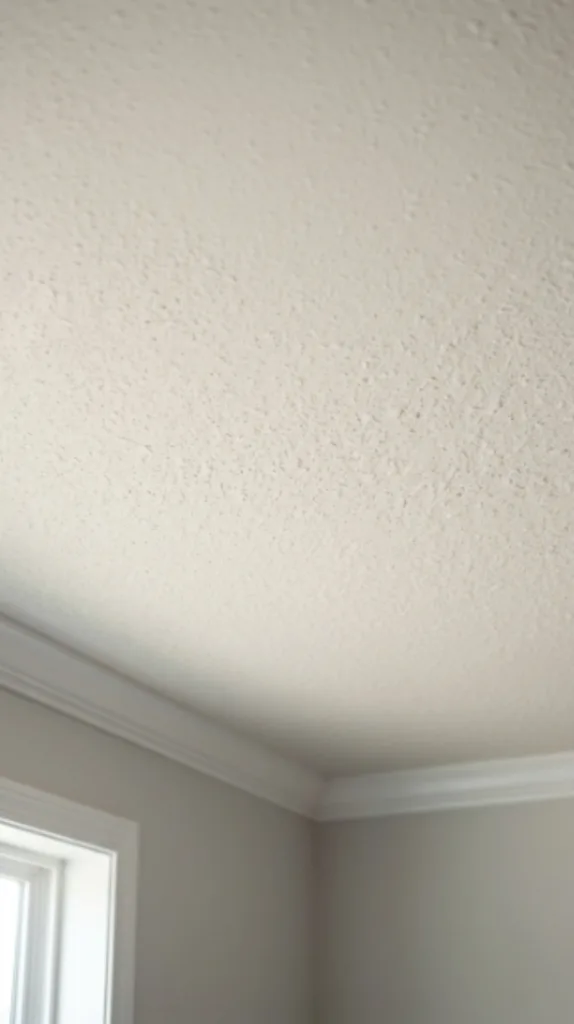
Orange peel is a fine, dimpled texture that looks like the skin of a citrus fruit. The bumps are small, even, and barely raised. A hopper gun sprays thin drywall compound at low pressure, creating the dimpled pattern without any scraping. Among all ceiling texture types, orange peel is the most common in apartments, rental properties, and mid-range homes built from the 1990s to today.
Orange peel hides minor imperfections like tape joints and nail pops. It collects less dust than knockdown or popcorn because the bumps are shallow. Repairs are easier to match than heavier textures.
- Tools: Hopper gun, air compressor, thin-mix drywall compound.
- Cost: $1–$2.50 per square foot. | Best for: Rentals, bedrooms, playrooms, family rooms, budget projects.
4. Popcorn Ceiling Texture (Acoustic)
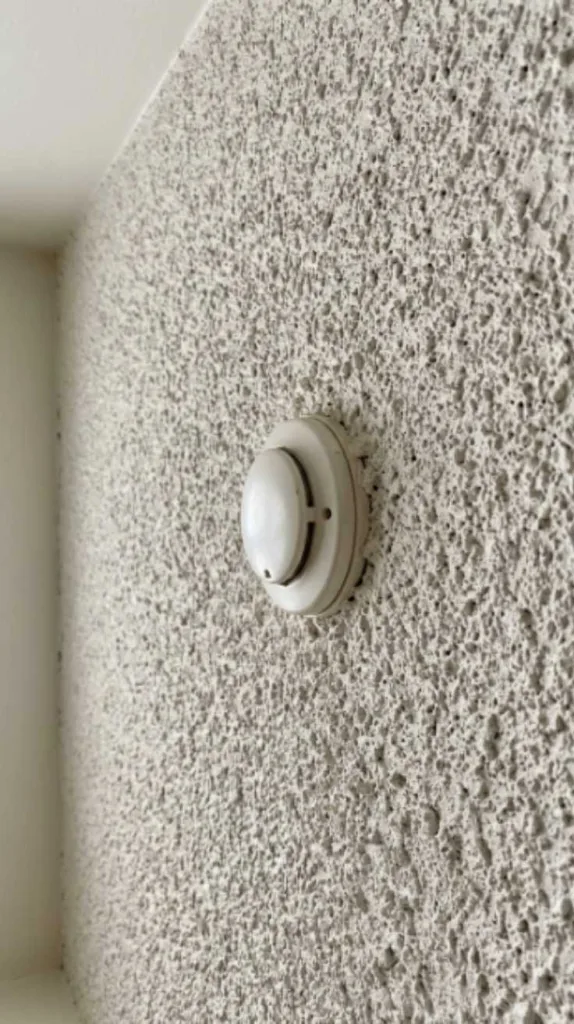
Popcorn is the most recognized textured ceiling finish in America. The surface is covered in deep, irregular bumps that look like cottage cheese. Builders sprayed it from the 1950s through the 1980s because it was cheap, fast, and hid every drywall flaw. It absorbed some sound, which earned it the name “acoustic ceiling.”
Popcorn ceilings fell out of favor in the 1990s. The texture traps dust, cobwebs, and allergens. It makes rooms feel darker. It crumbles when touched. And pre-1986 versions may contain asbestos. Popcorn removal is now one of the most common home renovation projects in the country.
- Tools (application): Hopper gun or spray-can texture, air compressor, drywall compound.
- Cost (removal + smooth finish): $2–$9 per square foot. | Best for: Nothing in 2026. Universally outdated.
5. Skip Trowel Ceiling Texture
Skip trowel creates a hand-applied look with random sweeping arcs and flat sections. A thin coat of drywall compound or plaster is spread on the ceiling, then a clean trowel is dragged at an angle. The blade skips over certain areas, pulling up random peaks and leaving smooth valleys. Among premium ceiling texture types, skip trowel is the most popular for custom homes and high-end renovations.
Each application is unique. The texture adds visual depth and shadow play under light, especially in high-ceiling rooms with a chandelier or recessed lighting.
- Tools: Small-notched trowel, drywall compound or plaster, drywall knife.
- Cost: $3–$8 per square foot. | Best for: Mediterranean, Tuscan, Spanish, Old World interiors.
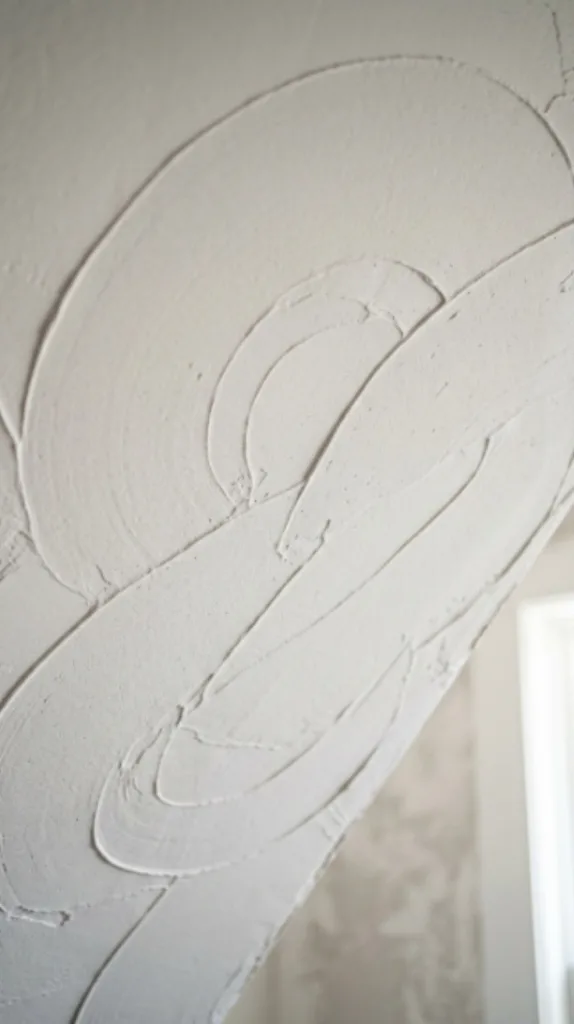
6. Sand Swirl Ceiling Texture
Sand swirl combines fine sand particles with circular brush patterns. Sand is mixed into drywall compound, applied to the ceiling, then a medium bristle brush creates overlapping half-circle arcs. The sand adds a gritty, tactile quality. The swirl pattern adds a decorative element.
Sand swirl was popular in homes built during the 1970s and 1980s. The sandy surface is difficult to paint, hard to match for repairs, and traps dust in every groove.
- Tools: Medium bristle brush, sand-mix drywall compound, paint sprayer or roller.
- Cost: $1.50–$3 per square foot. | Best for: Vintage aesthetic restorations only.

7. Spray Sand Ceiling Texture
Spray sand is a flat, gritty finish that feels slightly rough like fine sandpaper. A hopper gun sprays a mixture of thin drywall compound and fine sand onto the ceiling. The result is a subtle texture with no pattern — just an even layer of tiny granules. It hides minor imperfections without visual busy-ness.
- Tools: Hopper gun, air compressor, fine sand, thin drywall compound.
- Cost: $1–$2 per square foot. | Best for: Garages, utility rooms, commercial spaces, budget builds.

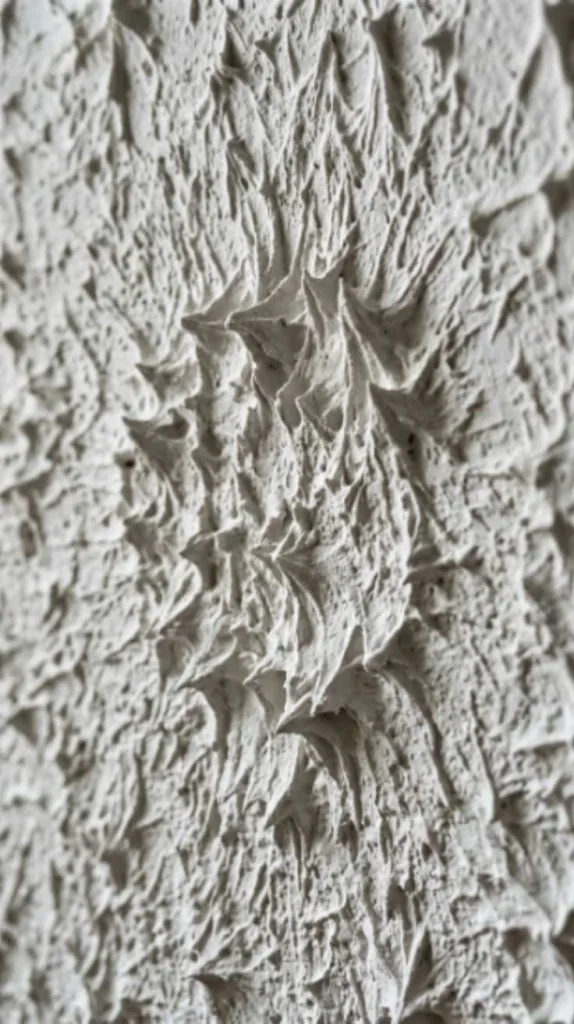
8. Slap Brush (Crow’s Foot) Ceiling Texture
Slap brush is one of the most aggressive ceiling texture types. A stiff-bristled slap brush is dipped in drywall compound, pressed flat against the ceiling, then pulled away to create sharp, spiked peaks. The pattern is random and three-dimensional. Some call it crow’s foot or panda paw because of the splay-shaped marks.
The tall peaks trap heavy amounts of dust and make the ceiling very difficult to clean. Strongly associated with 1970s and 1980s construction.
- Tools: Slap brush or stipple brush, drywall compound, paint roller.
- Cost: $1–$2.50 per square foot. | Best for: Period restorations only. Not recommended for modern use.
9. Comb Ceiling Texture
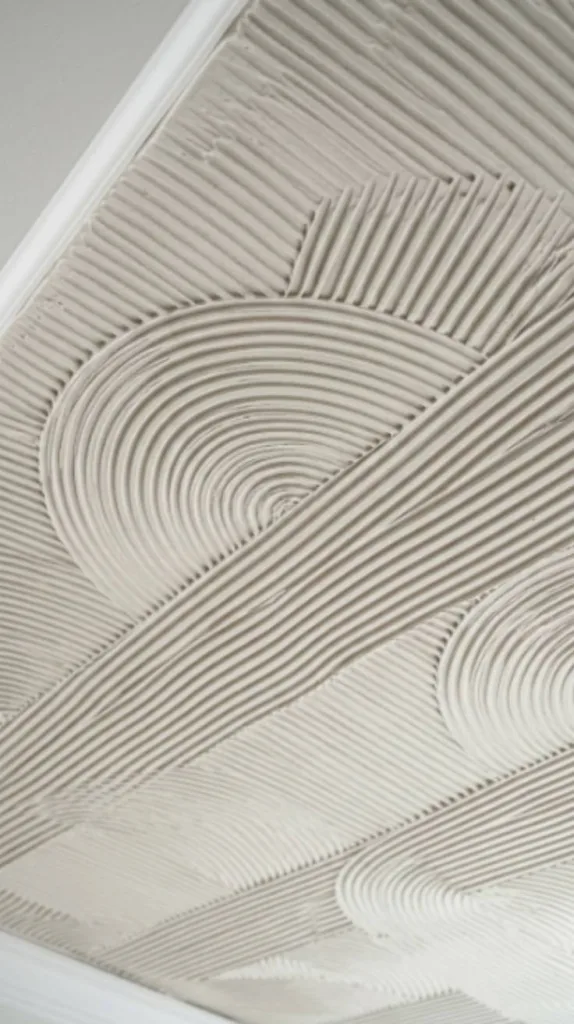
Comb texture uses a toothed trowel dragged through wet compound to create parallel grooves or overlapping fan patterns. The lines can be straight, half-circle, or zigzag depending on how the tool is moved. The pattern is deliberate and geometric, unlike the random nature of knockdown or skip trowel.
The busy pattern competes with furniture and decor, makes rooms feel smaller, and collects dust in every groove.
- Tools: Small-notched trowel (comb tool), drywall compound.
- Cost: $1.50–$3 per square foot. | Best for: Period-accurate restorations. Not for new work.
10. Stipple Ceiling Texture
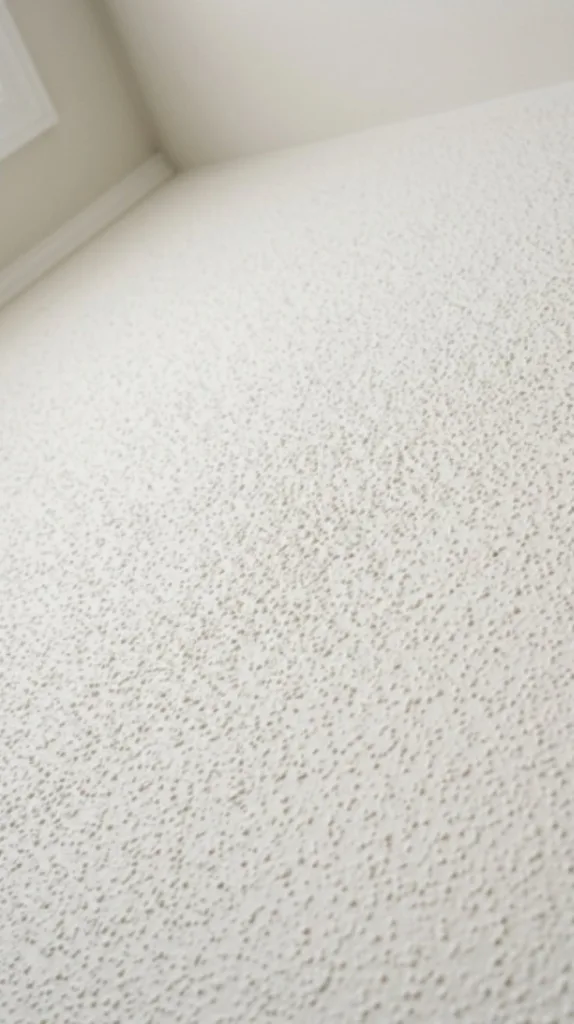
Stipple creates a subtle, evenly dotted surface. A stipple brush or textured roller is pressed into wet compound and lifted to create small, uniform raised bumps. The pattern is less aggressive than slap brush and more consistent. It adds slight visual interest without overwhelming the room.
- Tools: Stipple brush or texture roller, drywall compound.
- Cost: $1–$2 per square foot. | Best for: Matching existing texture in older homes.
11. Lace (Spanish Lace) Ceiling Texture
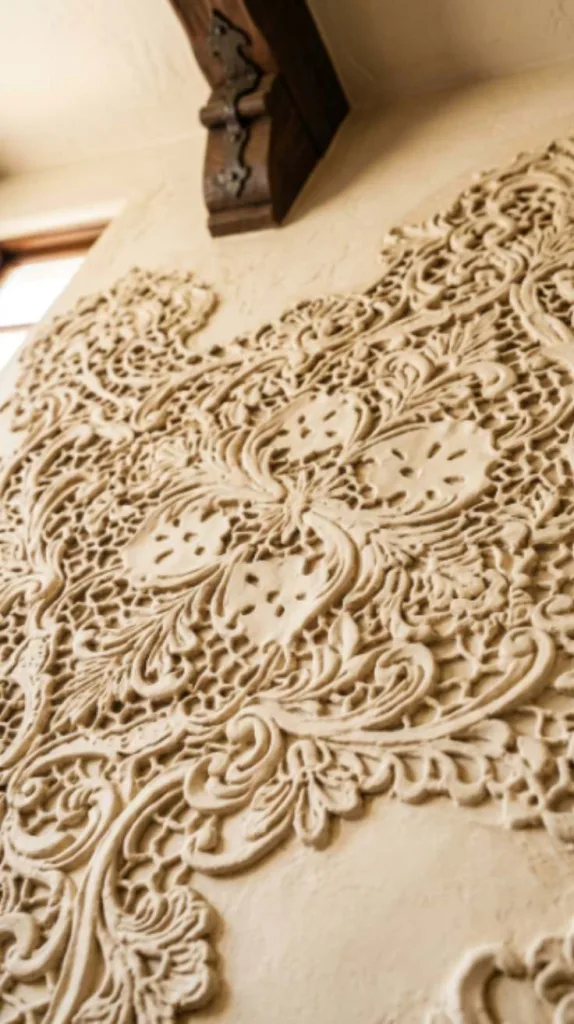
Lace is one of the most decorative textured ceiling finishes. It creates an intricate, multi-layered pattern that resembles actual lace fabric. A hopper gun sprays thin compound onto the ceiling, then a knockdown knife selectively flattens portions to create lace-like openings between raised areas. The look combines elements of skip trowel and knockdown with a floral quality.
Lace texture requires a skilled craftsman. Each application is unique. The heavy pattern works in large rooms with high ceilings but overwhelms small spaces.
- Tools: Hopper gun, air compressor, knockdown knife, drywall compound.
- Cost: $3–$8 per square foot. | Best for: Spanish Colonial, Mediterranean, formal rooms.
12. Stomp Brush Ceiling Texture
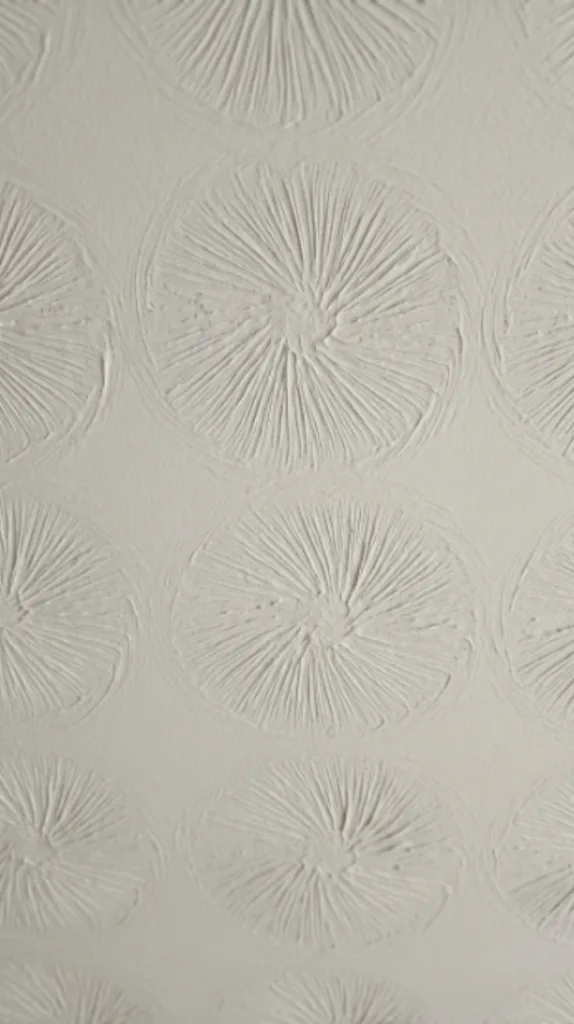
Stomp brush creates a rosette or sunburst pattern by pressing a large, flat brush into wet drywall compound and pulling it straight down. The bristle splay leaves a circular stamp pattern repeated across the ceiling. The effect is more controlled and uniform than slap brush but more textured than stipple.
Stomp texture was common in tract homes during the 1980s. It hides moderate imperfections and is faster to apply than hand-troweled textures. The patterned surface traps dust and is difficult to repair without visible patch lines.
- Tools: Stomp brush (wide flat bristle brush), drywall compound, roller for primer.
- Cost: $1–$2.50 per square foot. | Best for: Matching existing 1980s texture. Not recommended for new work.
13. Tree Bark Ceiling Texture
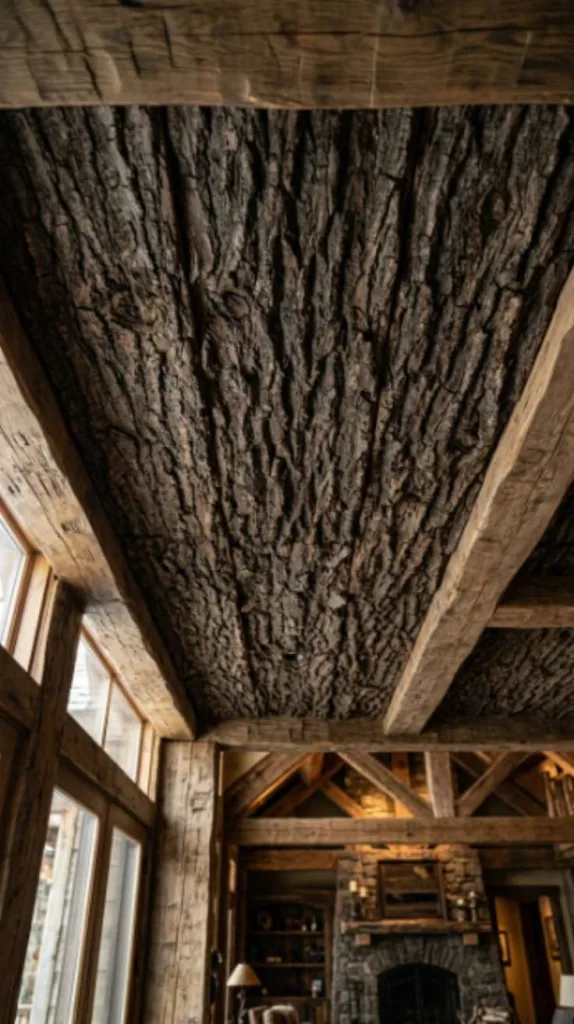
Tree bark texture mimics the rough, layered surface of natural bark. A heavy coat of drywall compound is rolled or brushed onto the ceiling, then a stiff brush or roller with a thick nap is dragged through the wet material to create deep ridges and valleys. The result is an organic, rugged surface. Tree bark is one of the heaviest ceiling texture types and adds the most visual weight to a room.
This texture works in log cabins, rustic lodges, and outdoor-themed spaces. In standard residential rooms, the aggressive pattern darkens the ceiling and makes the space feel smaller.
- Tools: Thick-nap roller, stiff brush, heavy-mix drywall compound.
- Cost: $1.50–$3 per square foot. | Best for: Rustic cabins, lodges, themed rooms. Not for standard residential.
14. Hawk and Trowel (Santa Fe) Ceiling Texture
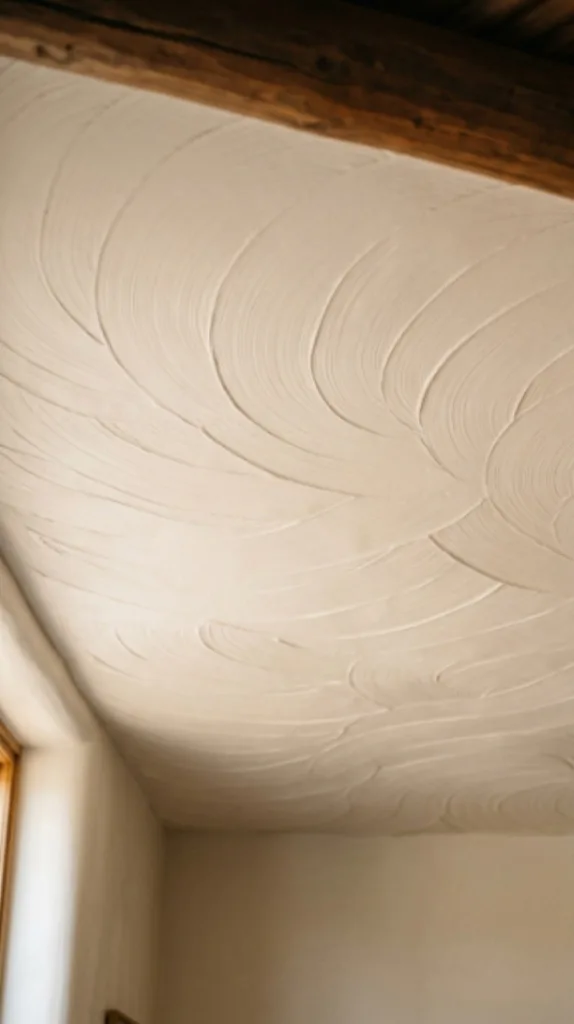
Hawk and trowel is the highest-end hand-applied ceiling finish. Plaster or drywall compound is held on a hawk (a flat handheld board) and spread onto the ceiling with a wide trowel in sweeping, overlapping strokes. The result is a smooth, layered surface with soft, undulating ridges that catch light and create depth.
This finish is sometimes called Santa Fe texture because of its association with Southwestern architecture. It requires a skilled plasterer and takes 2 to 3 times longer than sprayed textures. The cost reflects the labor: $4–$10 per square foot. But the result is a ceiling that looks handmade and timeless.
- Tools: Hawk, wide trowel, plaster or drywall compound, sanding sponge.
- Cost: $4–$10 per square foot. | Best for: Custom homes, Southwestern style, high-end renovations.
15. Rosebud Ceiling Texture
Rosebud creates tight, circular dot patterns across the ceiling. A specialized rosebud brush (similar to a stipple brush but with shorter, denser bristles) is pressed into wet compound and twisted slightly before lifting. Each impression leaves a small, round pattern that resembles a rosebud viewed from above. The texture is subtle and consistent.
Rosebud was used in homes built during the 1960s and 1970s. It is rarely applied in new construction but sometimes appears in restoration work or homes with a vintage aesthetic.
- Tools: Rosebud brush, drywall compound, paint roller for finish.
- Cost: $1–$2 per square foot. | Best for: 1960s–1970s restoration projects and vintage interiors.
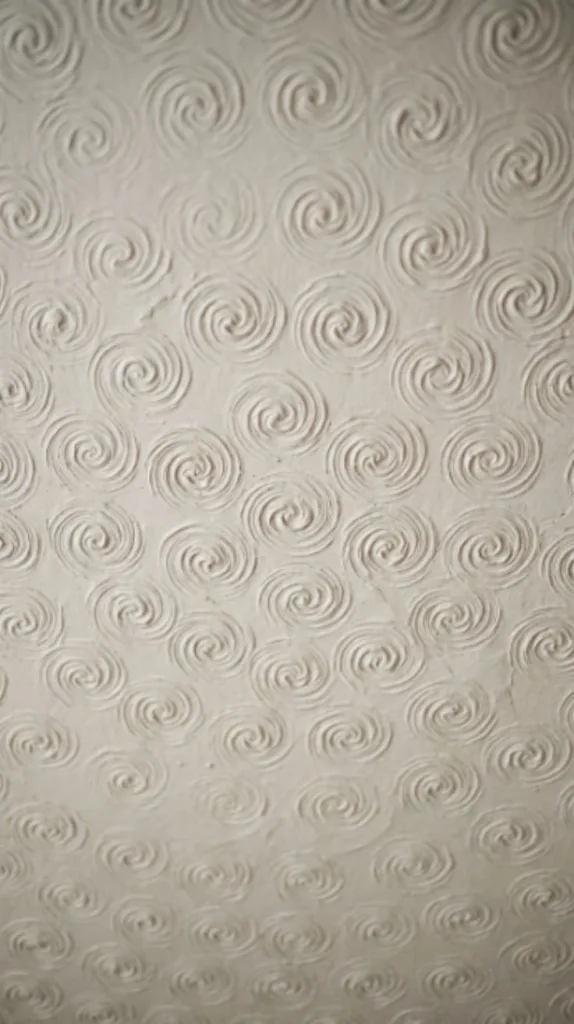
How to Identify What Ceiling Texture You Have
- Flat and featureless: Smooth.
- Fine dimples like citrus skin: Orange peel.
- Flat splatter with flattened peaks: Knockdown.
- Deep, rough, random bumps (cottage cheese): Popcorn.
- Random sweeping arcs with smooth and raised areas: Skip trowel.
- Gritty surface with circular swirl patterns: Sand swirl.
- Flat grit, no visible pattern: Spray sand.
- Sharp spiked peaks, random splay marks: Slap brush (crow’s foot).
- Parallel grooves or fan lines: Comb.
- Subtle uniform dots: Stipple.
- Intricate lace-like layered pattern: Spanish lace.
- Rosette or sunburst stamps: Stomp brush.
- Rough ridges like natural bark: Tree bark.
- Smooth, layered plaster sweeps: Hawk and trowel (Santa Fe).
- Tight circular dot impressions: Rosebud.
Choose the Right Texture for Your Home
All 15 ceiling texture types serve the same basic purpose: covering the raw drywall surface. The difference is how they look, how they age, and how they affect your home’s value. In 2026, smooth finishes lead the market. Orange peel and knockdown are solid mid-range options. Everything else — popcorn, slap brush, comb, sand swirl, stipple, stomp, tree bark, rosebud — is either dated or reserved for specific architectural styles.
Frequently Asked Questions
What ceiling texture is in style in 2026?
Smooth is the top choice for new construction and renovations. Light orange peel is acceptable in mid-range homes. Knockdown works for budget projects. All heavy textures (popcorn, slap brush, swirl, comb, stomp) are considered outdated.
What ceiling texture hides imperfections best?
Knockdown and skip trowel hide the most. Orange peel covers minor flaws. Smooth hides nothing — the drywall underneath must be flawless. Stomp brush and slap brush hide heavy damage but look dated.
Which ceiling texture is easiest to clean?
Smooth. A damp cloth or feather duster removes dust in seconds. Orange peel and knockdown require gentle vacuuming. Popcorn, slap brush, tree bark, and stomp brush are nearly impossible to clean without damage.
Can I change my ceiling texture?
Yes. Remove the old texture, repair the drywall, and apply the new finish. Test for asbestos before removing any pre-1986 popcorn texture. In most cases, removing everything and going smooth produces the best long-term result.
What is the cheapest ceiling texture to apply?
Spray sand and popcorn are the cheapest at $1–$2 per square foot. But popcorn is outdated. Orange peel at $1–$2.50 per square foot is the best value — cheap, modern enough, and easy to maintain.
What is the most expensive ceiling texture?
Hawk and trowel (Santa Fe) at $4–$10 per square foot. It requires a skilled plasterer and takes 2 to 3 times longer than sprayed textures. Skip trowel and Spanish lace are the next most expensive at $3–$8 per square foot.





One Comment